Keep more than a wave count
The place, the board, the people. A few useful notes for the next time you paddle out.
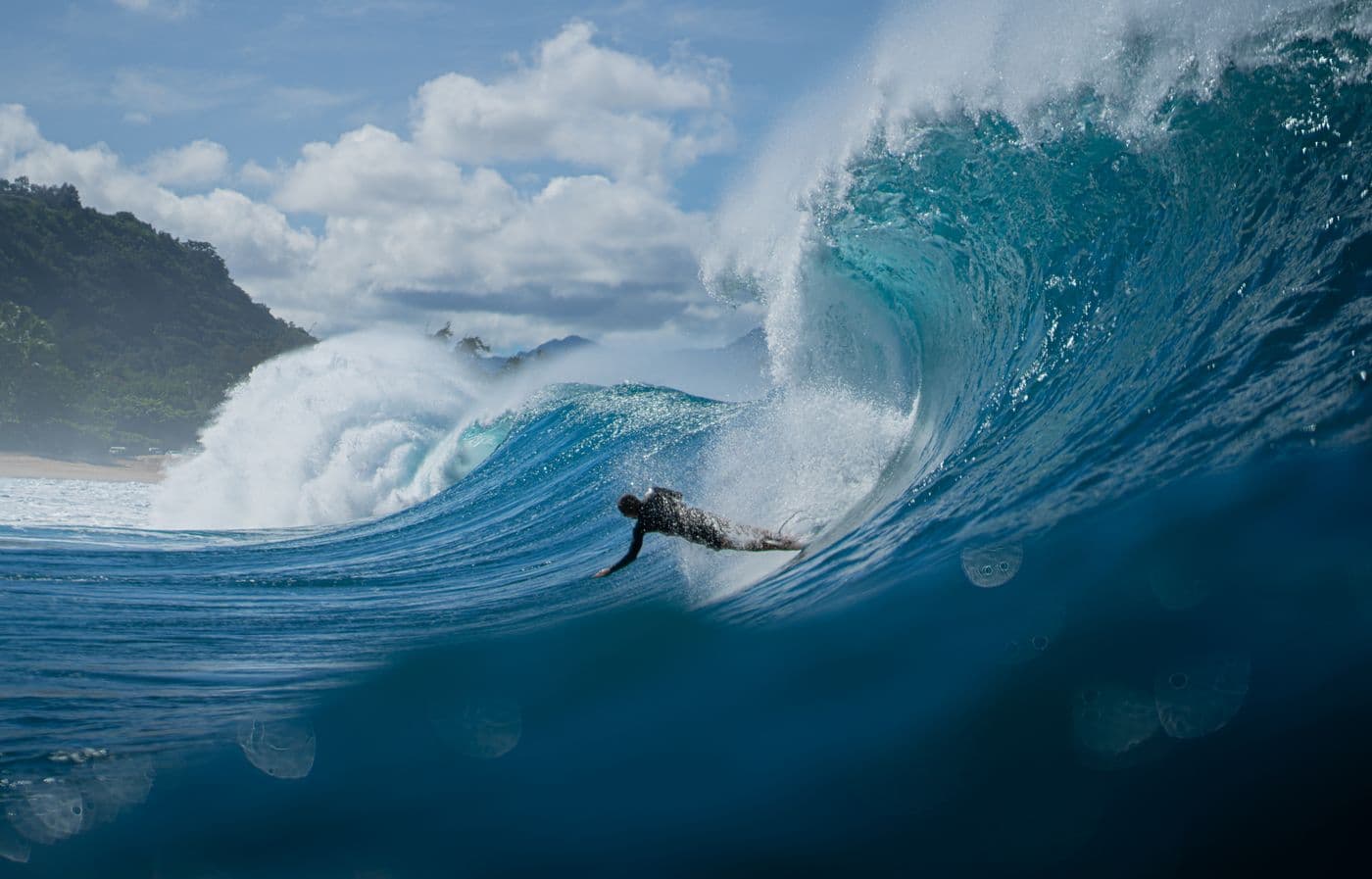
Daniel Torobekov / Pexels.
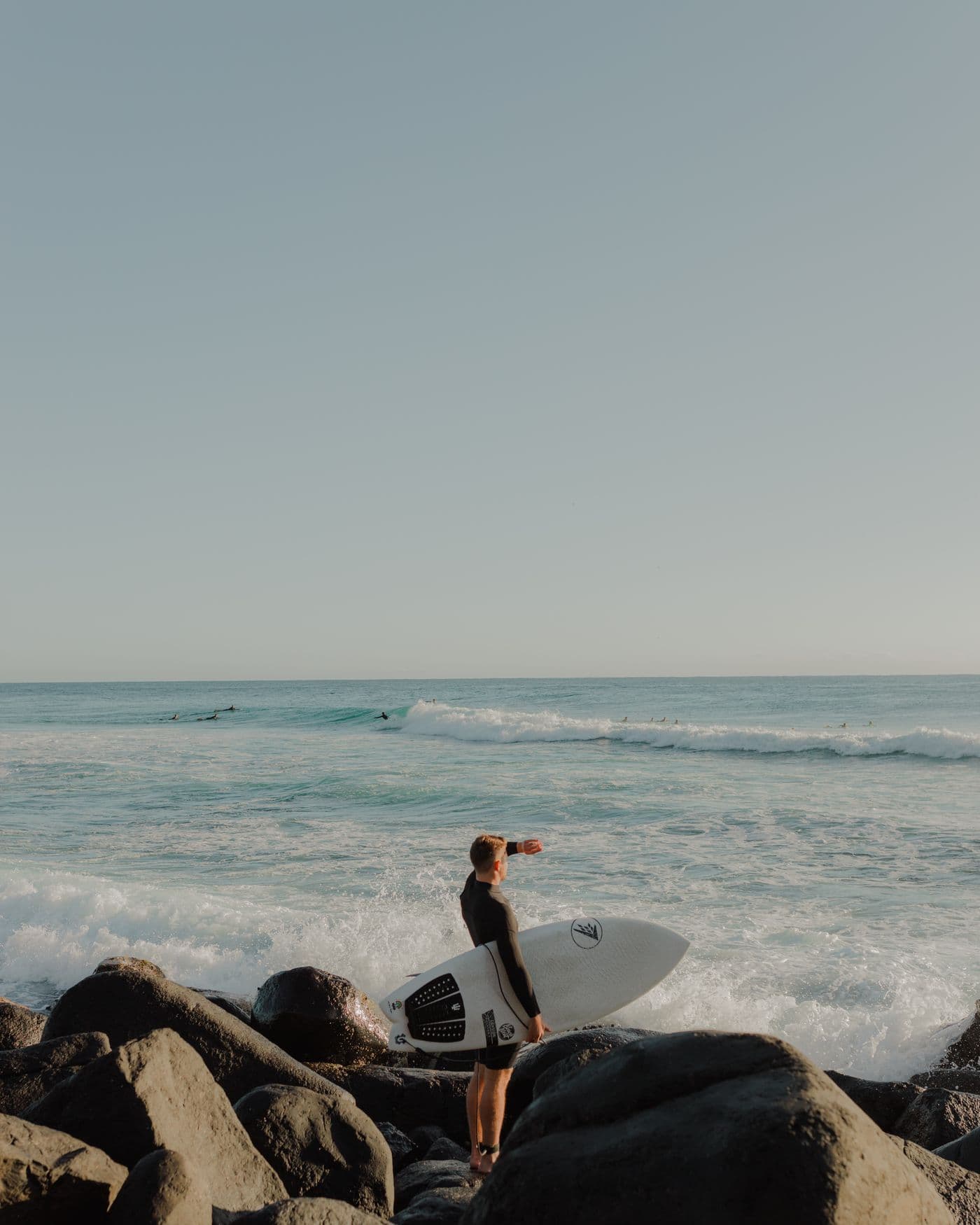
After a session, there is usually one thing that comes to mind first. A wave. A long wait. The way the water looked when you paddled out. The friend who was there. That first detail is a good place to begin a surf journal.
A useful record does not have to be exhaustive. It needs enough of the afternoon to make sense when you return to it. The numbers can be part of that, but so can a few ordinary sentences. Here are some things worth keeping.
Where you were, and when
Start with the place, the date and roughly when you were in the water. Use a name you will recognise later. A short note about the part of the beach or the break can be more useful to you than a perfectly formal location label.
A personal journal can stay personal. You do not have to publish a precise location to preserve a memory. Think about what you want to remember, separately from what you want to share.
The board you took
Write down which board you used. If you use the same one every time, that may seem obvious now. It will be less obvious when you look back across a longer period, or after you have changed equipment.
Add an observation in your own words. Did the board feel familiar? Were you still getting used to it? This is a record of your experience, not a requirement to turn every session into an equipment review.
What you actually noticed
Keep a short note about the conditions as you experienced them: the texture of the water, the wind you noticed, the spacing between sets, or how busy the lineup felt. Distinguish what you observed from a forecast you read beforehand.
You do not need technical language to be specific. ‘Long waits, then a few waves close together’ tells a story. ‘A little choppier than last time’ can mean something when it sits beside the previous entry. These are personal observations, not instructions for someone else heading out.
The feeling around the session
Some afternoons feel good without producing a favourite ride. Others contain one wave that changes how you remember the whole session. Leave room for that difference. A count alone cannot tell it.
Write about what stood out: patience, frustration, a moment of confidence, or simply being glad you made the time. Add a photograph if you have one you want to keep. Include the people who were there, with care about what you share publicly.
One thing for next time
End with something you want to remember. It might be a detail about your equipment, a question you want to ask, or a moment you would like to revisit. Keep it small enough that it still feels useful rather than like homework.
A journal is not a test of your ability. An entry does not need to prove improvement, and a run of entries does not need to become a score. Sometimes the useful discovery is simply that you are finding more time to surf.
The point is to give your time in the water somewhere to live afterwards. A date, a board and a few honest lines can be enough. Keep what matters, then leave room for the next session.