More than a date and a depth
The things a dive profile can’t tell you, and why they deserve a place in your divebook.
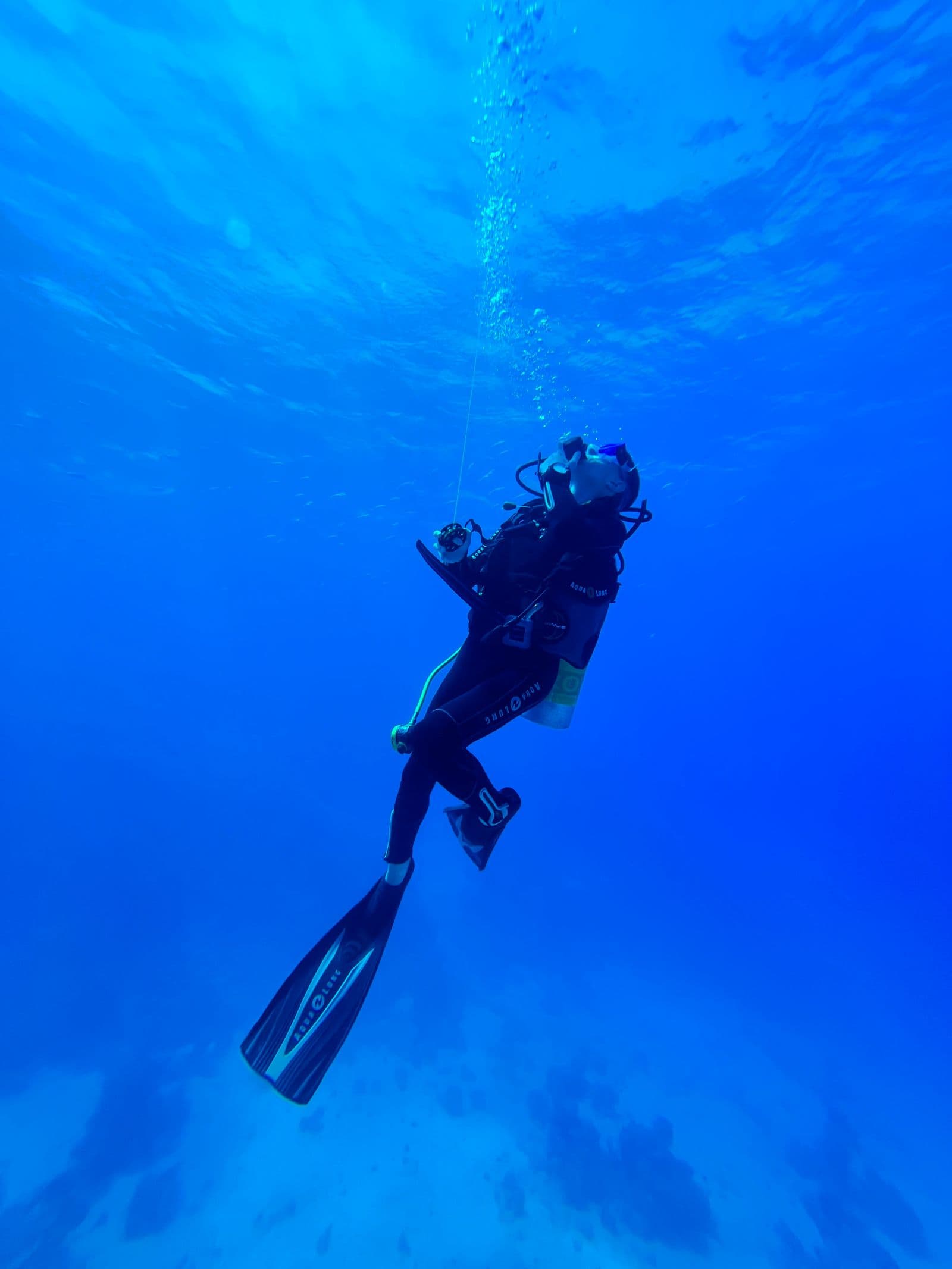
Emre Kocdemir / Pexels.
A dive record can tell you when you went underwater and how the dive unfolded. Beside that record, there is another kind of information: what caught your eye, who was beside you and the small detail you keep returning to afterwards.
Neither needs to replace the other. The recorded information gives an experience structure. Your observations give it a particular character. Together, they make something you may want to revisit long after the trip has ended.
Give the place some context
The site name is a starting point. Add whatever helps you recognise the place later: a feature you remember, the light in the water, or the impression it left. A short description in your own words can bring back more than a label alone.
If you are keeping several dives from one trip, note how they fit together. Was this a return to somewhere you had already visited? A different part of the same area? The context makes each entry easier to place in the larger memory.
Keep observations honest
There is pleasure in recording what you saw, even when you do not know its name. Describe the shape, colour or movement. Keep a photograph with your note if you have one. Uncertainty is useful information too.
You can return to an observation later without rewriting the moment to make it sound more certain. ‘I think this was…’ preserves the difference between an impression and an identification. A personal record does not have to pretend to be a field guide.
The people are part of the dive
A buddy’s presence can be part of what makes a dive memorable. So can the conversations before and afterwards, or the feeling of exploring a place together. A name or a short note can help keep that part of the experience attached to the record.
Treat sharing as a separate choice from keeping. A divebook can be something you enjoy privately. If you share an entry or photograph, consider the other people in it and which details they would be comfortable making public.
A photograph with a sentence
A photograph does not always explain why you took it. Add a line about what you were looking at or what made you stop. The picture and the sentence do different jobs, and each can make the other more useful.
There is no need to include every image. Choose the ones that bring something back. A small selection with a little context can be more inviting to revisit than a long sequence of almost identical frames.
A record that stays yours
Keep measured information and personal recollection distinguishable. A note written later is a note, and an imported record is a record. They can sit together without turning an estimate into a measurement.
This is about remembering an experience, not using a journal as a substitute for training, equipment or dive planning. The personal part has value in its own right. It can hold wonder, curiosity and the feeling of being somewhere very different from everyday life.
Before you close an entry, ask yourself what you would be sorry to forget. It may be a small thing: a change in the light, a glimpse of movement or the person you surfaced beside. Give it a sentence. That is how a divebook becomes a record of your underwater life.